



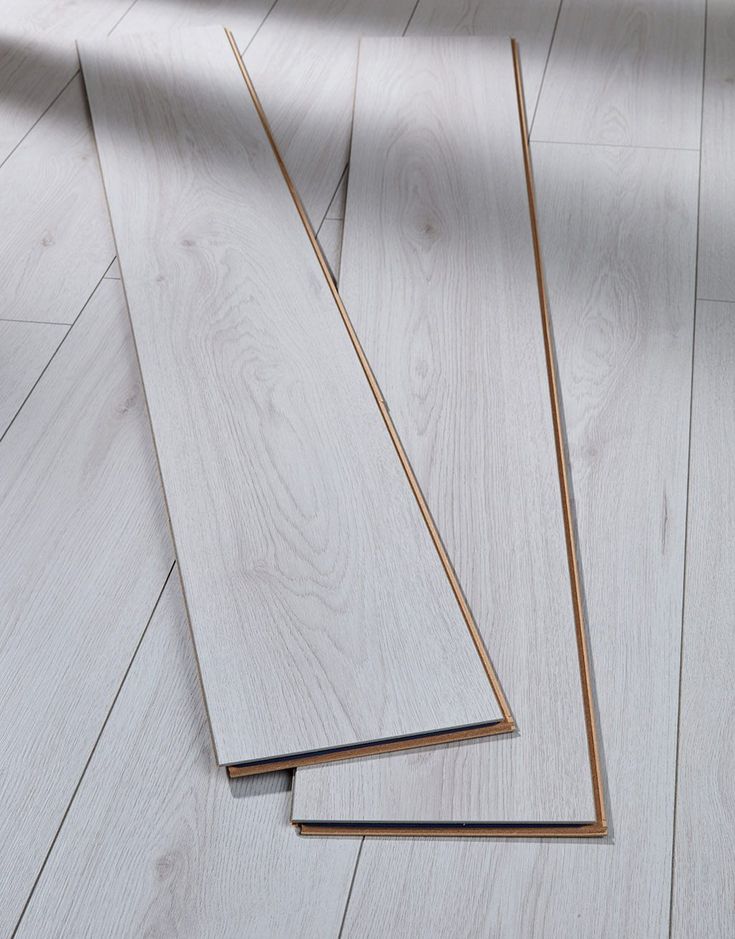
Choosing wood flooring for your UK home is an investment in timeless beauty, warmth, and lasting value. The unique climate of the United Kingdom, with its often fluctuating humidity levels, plays a significant role in determining the most suitable type of wood flooring. Understanding the characteristics of different wood species and flooring constructions is crucial to ensure your chosen floor performs well and retains its appeal for decades.
This article explores the best wood flooring options for UK homes, considering both aesthetic trends and practical suitability.
1. Solid Wood Flooring: The Traditional Choice
Solid wood flooring consists of planks milled from a single piece of timber, typically 18-20mm thick. It offers unmatched authenticity and the ability to be refinished multiple times.
- Pros for UK Homes:
- Authentic Appeal: Provides genuine warmth, unique grain patterns, and a classic look that never goes out of style.
- Longevity: Can last 50-100+ years as it can be sanded and refinished multiple times to remove wear and scratches.
- Increased Home Value: A highly desirable feature that significantly boosts property value.
- Cons for UK Homes:
- Moisture Sensitivity: Solid wood is more susceptible to expansion and contraction with changes in humidity, which is a key consideration in the UK’s often damp climate. This can lead to gapping or cupping if humidity isn’t controlled.
- Installation Limitations: Generally not recommended for below-grade installations (basements) or directly over concrete subfloors due to moisture risks.
- Underfloor Heating: Not typically suitable for use with underfloor heating systems, as the heat can cause excessive drying and movement.
- Best Suited For: Living rooms, dining rooms, and bedrooms on upper floors where humidity levels are more stable.
2. Engineered Wood Flooring: The UK’s Modern Favorite
Engineered wood flooring is constructed with a top layer (veneer) of real hardwood bonded to multiple layers of plywood or HDF. This multi-ply construction provides enhanced stability, making it particularly well-suited for the UK climate.
- Pros for UK Homes:
- Superior Stability: Less prone to expanding, contracting, or warping due to humidity fluctuations, making it ideal for the UK’s variable weather.
- Versatile Installation: Can be installed on all grade levels, including basements and directly over concrete slabs (with a proper damp proof membrane), offering greater flexibility.
- Underfloor Heating Compatibility: Most engineered wood is compatible with underfloor heating systems, a popular choice for modern UK homes.
- Real Wood Look: Offers the authentic appearance of solid wood, as the top layer is genuine timber.
- Sustainable: Makes more efficient use of slow-growing hardwood species, as only the top layer is precious wood.
- Cons for UK Homes:
- Refinishing Limitations: While it can be refinished, the number of times depends on the thickness of the top veneer (typically 1-3 times).
- Cost: Generally more expensive than laminate but often more affordable than solid hardwood.
- Best Suited For: Almost all areas of the home, including kitchens, conservatories, and basements, due to its stability.
3. Popular Wood Species for UK Homes
Certain wood species are particularly favored in the UK market for their beauty and performance.
- Oak: Overwhelmingly the most popular choice, both in solid and engineered forms. Known for its durability, attractive grain, and versatility in various finishes (natural, limed, grey-stained, smoked). European and American oak are widely available.
- Walnut: Prized for its rich, deep brown tones and distinctive swirling grain, adding a touch of luxury and sophistication. Often used in engineered formats for greater stability.
- Ash: A stylish choice with light tones and dynamic grain patterns, bringing brightness and a contemporary feel.
- Maple: Valued for its light, uniform appearance and subtle grain, ideal for modern and minimalist interiors.
4. Current Trends in UK Wood Flooring
- Wide and Long Planks: Create a sense of spaciousness and luxury, reducing the number of seams for a more seamless look.
- Natural and Matte Finishes: A move towards more natural, oiled, or ultra-matte finishes that highlight the wood’s inherent beauty and are more forgiving of daily wear.
- Herringbone and Chevron Patterns: These classic geometric patterns continue to be highly sought after, adding sophistication and visual interest, often achieved with engineered wood blocks.
- Sustainable Sourcing: Growing demand for FSC or PEFC certified wood, reflecting an increased environmental consciousness among UK homeowners.
Conclusion
For UK homeowners, the choice between solid and engineered wood flooring largely depends on the specific room, subfloor, and presence of underfloor heating. While solid wood offers timeless authenticity for stable environments, engineered wood’s superior stability against humidity fluctuations and versatility in installation make it an increasingly popular and often more practical choice for the diverse conditions found in British homes. Regardless of the construction, selecting a popular species and a finish that complements your interior will ensure your wood floor remains a beautiful and valuable asset for generations.
