



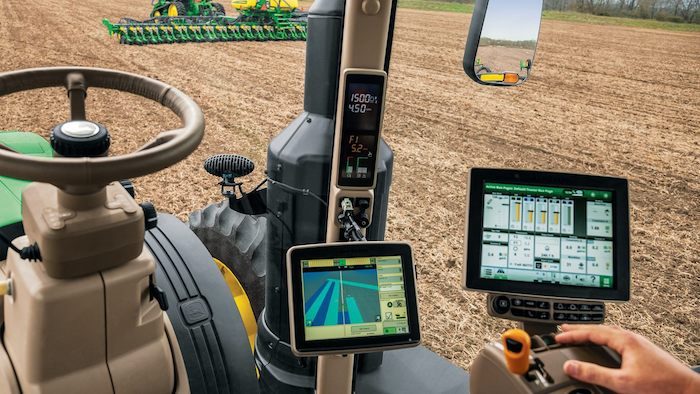
Modern agriculture has witnessed a revolutionary shift with the integration of technology, and tractor guidance system are at the forefront of this transformation. These systems not only improve operational efficiency but also reduce costs, minimize environmental impact, and enhance productivity. This article explores tractor guidance systems: from basics to advanced features, giving insight into their functions, benefits, and innovations.
Understanding Tractor Guidance Systems
At its core, a tractor guidance system is designed to assist farmers in navigating fields with precision. Using a combination of GPS, sensors, and software, these systems enable tractors to follow pre-determined paths, reducing overlap and ensuring uniform coverage of the field. The technology is crucial for tasks like planting, spraying, and harvesting, where accuracy directly impacts crop yield.
Key Components of Basic Guidance Systems
- GPS Receiver: Receives signals from satellites to determine the tractor’s exact location.
- Steering Control Unit: Automatically adjusts the steering to follow the intended path.
- Display Console: Provides real-time information and allows operators to monitor progress.
These basic components form the foundation of modern tractor guidance systems, making everyday farming operations more manageable and less labor-intensive.
Advanced Features in Modern Tractor Guidance Systems
As technology evolves, tractor guidance systems have become increasingly sophisticated. Advanced systems offer features that go beyond simple navigation, including:
- Auto-Steering: Fully automated steering ensures perfect alignment along the field’s rows.
- Field Mapping and Data Collection: Allows farmers to create detailed maps of soil conditions, crop health, and operational efficiency.
- Variable Rate Application (VRA): Adjusts the application of seeds, fertilizers, and pesticides based on field variability, optimizing resources.
- Obstacle Detection and Safety Features: Some systems include sensors that detect obstacles or terrain changes, preventing accidents and equipment damage.
Benefits of Using Tractor Guidance Systems
Implementing tractor guidance systems in agricultural operations brings numerous advantages:
- Increased Accuracy: Ensures precise planting and treatment, leading to higher yields.
- Reduced Operational Costs: Minimizes overlap, saving fuel, seeds, and chemicals.
- Enhanced Productivity: Enables longer working hours with less operator fatigue.
- Sustainable Farming: Reduces environmental impact by optimizing resource usage.
Conclusion
From the basics of GPS-assisted navigation to advanced features like auto-steering and data-driven field management, tractor guidance systems: from basics to advanced features play a crucial role in modern agriculture. By adopting these systems, farmers can achieve greater efficiency, sustainability, and profitability, setting the stage for the future of precision farming.
