



Maintaining a pristine lawn has always been a task that requires effort, time, and the right tools. In recent years, the lawn care industry has seen significant innovation, with remote control lawn mowers emerging as a modern alternative to conventional equipment. This article delves into the differences, advantages, and drawbacks of remote control lawn mowers vs traditional mowers to help homeowners make informed decisions.
Understanding the Basics
Traditional Mowers
Traditional lawn mowers, whether gas-powered or electric, require manual operation. They have been a reliable solution for decades, providing control and precision for homeowners who prefer hands-on mowing. These mowers vary in size and power, from push mowers for small lawns to riding mowers for expansive properties.
Remote Control Lawn Mowers
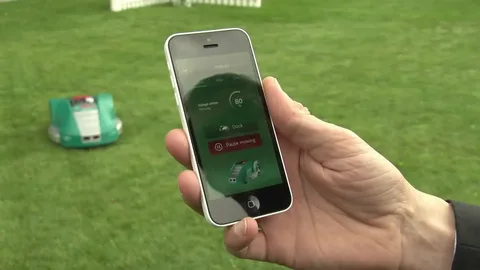
On the other hand, remote control lawn mowers represent the cutting edge of lawn care technology. They are designed to operate autonomously or via a remote, minimizing physical effort. Equipped with sensors and advanced safety features, these mowers can navigate complex terrains and even return to their charging stations when the job is complete.
Key Comparisons
Ease of Use
One of the main differences in the remote control lawn mower vs traditional mowers debate is usability. Traditional mowers demand physical presence and effort, which can be tiring for large lawns or uneven terrain. Remote control mowers, however, allow homeowners to control the mower from a distance or let it operate autonomously, saving time and energy.
Precision and Control
While traditional mowers give the operator full control over mowing patterns, remote control mowers rely on programmed routes and sensors. This means traditional mowers excel in intricate landscapes with tight corners, whereas remote control lawn mowers are better suited for open, unobstructed areas.
Maintenance and Costs
Maintenance differs significantly between the two types. Traditional mowers often require fuel, oil changes, and blade sharpening, while remote control mowers, typically battery-powered, need less frequent upkeep. However, the initial cost of a remote control lawn mower can be higher than that of a conventional model, though the long-term convenience may offset this investment.
Conclusion
Choosing between a remote control lawn mower vs traditional mowers ultimately depends on your lawn size, budget, and personal preferences. If you prioritize convenience and are open to technology, a remote control mower can revolutionize your lawn care routine. For those who value precision and don’t mind physical effort, traditional mowers remain a trusted choice. As innovation continues, hybrid models may soon offer the best of both worlds.
