



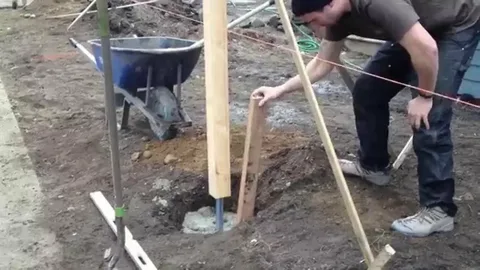
Building a sturdy fence starts with selecting the right posts. Fence posts are the backbone of any fencing project, providing the structure and stability needed to ensure your fence stands the test of time. Understanding the different types of fence posts and their applications is essential for achieving long-lasting support.
Why Fence Post Selection Matters
The right fence post can make the difference between a fence that lasts decades and one that requires constant repair. Factors such as soil type, climate, and fence design influence which type of post is best for your project. Poorly chosen posts may warp, rot, or shift, compromising the entire fence structure.
Types of Fence Posts
When considering fence post, there are several common options:
1. Wood Fence Posts
Wood posts are traditional and widely used. They offer a natural look and are relatively easy to work with. Pressure-treated wood resists rot and insect damage, making it suitable for outdoor conditions. For long-lasting support, it’s important to select posts that are rated for ground contact.
2. Metal Fence Posts
Metal posts, such as steel or aluminum, are extremely durable and resistant to warping or breaking. They are ideal for chain-link fences or modern designs. Metal posts often require concrete footings to provide stability in loose or sandy soils.
3. Vinyl Fence Posts
Vinyl posts offer a low-maintenance option that won’t rot, splinter, or require painting. They are lightweight but strong, making them suitable for residential fences where aesthetics and durability are important.
Factors to Consider When Choosing Fence Posts
To ensure your fence provides long-lasting support, consider the following:
- Soil Conditions: Sandy or clay-heavy soils may require deeper or reinforced posts.
- Climate: Wet or humid areas can accelerate wood decay; metal or vinyl may be better options.
- Fence Type: Heavier fences like privacy or ornamental iron require sturdier posts.
- Maintenance: Some materials require more upkeep, while others are virtually maintenance-free.
Installation Tips for Long-Lasting Support
Even the best fence post will fail if installed incorrectly. Here are some tips:
- Dig holes at least one-third the length of the post for stability.
- Use gravel or concrete to anchor the post firmly in place.
- Ensure posts are level and aligned properly to prevent leaning.
Conclusion
Understanding fence post basics: choosing the right type for long-lasting support is essential for any fencing project. Selecting the appropriate material, considering environmental factors, and installing posts correctly will ensure your fence remains strong, stable, and visually appealing for years to come. Whether you choose wood, metal, or vinyl, the right fence post is the key to a durable and reliable fence.
