



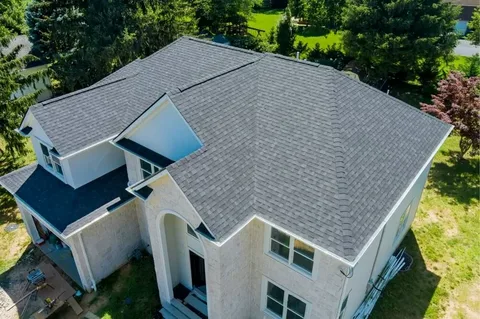
Replacing a roof is a significant investment for any homeowner. While factors like roof size, material, and labor are commonly discussed, many people overlook one crucial element: location. Understanding how your location affects roof replacement costs can help you plan your budget more accurately and avoid unexpected expenses.
Regional Material Prices
One of the primary ways that location impacts your total roof replacement cost is through material pricing. Roofing materials like asphalt shingles, metal, or tiles vary in cost depending on your region. For instance, areas prone to extreme weather may require more durable—and more expensive—materials. Additionally, shipping costs can increase if your location is far from suppliers, further driving up the price.
Labor Costs by Area
Labor costs are another significant factor influenced by location. Urban areas with a high cost of living often have higher labor rates compared to rural regions. Moreover, regions with a shortage of skilled roofing contractors may see inflated prices due to demand. When considering roof replacement, it’s essential to research local contractor rates to understand how location impacts your total roof replacement cost.
Weather and Environmental Considerations
Your geographic location determines the kind of weather your roof must endure, which can affect both material choice and installation techniques. Homes in hurricane-prone or snowy regions often need reinforced structures or specialized materials, which can increase costs. Ignoring these environmental needs may save money upfront but lead to more frequent repairs or replacements, ultimately raising your long-term expenses.
Local Regulations and Permits
Different locations have unique building codes and permit requirements. Some cities require specific inspections, materials, or installation methods that may not be necessary elsewhere. These local regulations can add hundreds or even thousands of dollars to your project, further illustrating how location impacts your total roof replacement cost.
Conclusion
When planning a roof replacement, it’s essential to remember that costs are not uniform across the country. From material availability and labor rates to weather conditions and local regulations, your location plays a significant role in determining the final price. Homeowners who understand these factors can make informed decisions, ensuring a roof that is both durable and cost-effective.
By carefully considering your location, you’ll have a clearer picture of your budget and avoid surprises, making the roof replacement process smoother and more predictable.
