



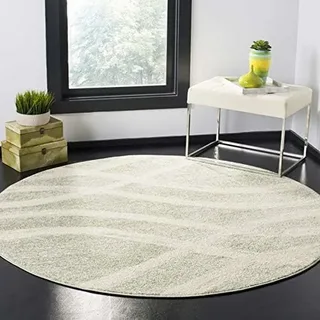
Designing a dining room requires balancing geometry and flow. You choose a table, find comfortable chairs, and hang a light fixture. Then comes the tricky part: the floor covering. Many homeowners struggle to find the right foundation for a round dining table. Do you force a rectangular rug underneath, or do you mirror the shape of the furniture?
The answer lies in curves. Round rugs are the natural partner for round dining tables. They soften the hard lines of a room, create a distinct zone for eating, and maximize floor space in smaller areas. When you pair circles with circles, you create a cohesive look that feels intentional and balanced.
This guide breaks down exactly how to match these two elements, from calculating the perfect diameter to picking materials that can withstand a spilled glass of wine.
Why Curves Work Together
Visual harmony makes a room feel finished. A round table on a square rug often creates awkward negative space at the corners. The setup can look disjointed, as if the rug and table belong in different rooms.
A round rug mirrors the silhouette of the table. This repetition pleases the eye and creates a focal point. In open-concept homes, a circular rug effectively “zones” the dining area, separating it from the living space without building walls. This shape also creates better flow for foot traffic, as there are no sharp corners to trip over or walk around.
Getting the Size Right
The biggest mistake people make is buying a rug that is too small. A “floating” rug that sits entirely inside the chair legs looks cheap and uninviting.
You need to follow the “chair slide rule.” When a guest pulls their chair out to sit down, the back legs of the chair should remain on the rug. If the legs slide off the edge, the chair becomes unstable, and the rug creates a tripping hazard.
How to Measure
- Measure your table: Start with the diameter of your tabletop.
- Add 48 inches: You need at least 24 inches of rug extending from the table edge on all sides.
- The Total: If your table is 48 inches wide, you need a rug that is at least 8 feet (96 inches) in diameter.
If you are between standard sizes, always size up. A larger rug makes the room feel grander and more spacious.
Choosing the Best Material and Texture
Dining rooms are high-traffic zones. They see sliding chairs, heavy footfall, and the inevitable food spill. The material you choose dictates how long your rug lasts.
Wool is the gold standard for premium rugs. It is naturally stain-resistant, durable, and bounces back from the weight of furniture. While it costs more upfront, it handles wear better than most fibers.
Synthetics, like polypropylene, are excellent for messy households or families with young children. These fibers are non-porous, meaning they don’t absorb liquid quickly. You can often scrub them clean without damaging the fibers.
Flatweaves are your best friend in a dining setting. High-pile or shag rugs trap crumbs and are nearly impossible to vacuum effectively. A flatweave or low-pile rug allows chairs to slide easily and makes cleanup simple.
Coordinating Colors
Your rug is an anchor. It should complement your table, not compete with it.
If you have a dark wood table, a lighter rug creates necessary contrast. This separation prevents the table from disappearing into the floor. Conversely, a glass or white marble table pops beautifully against a rich, darker colored rug.
You can also use the rug to tie the room together. Pull a color from your curtains or artwork and find a rug that features that shade. This technique creates a professional, designer look.
Patterns and Style
The pattern of your rug changes the energy of the room. Since the rug is round, certain designs work better than others.
- Medallions: Centralized patterns work perfectly because they align with the center of the table. Just ensure the table base doesn’t obscure the best part of the design.
- Borders: A rug with a distinct border frames the dining set. This emphasizes the circular footprint of the space.
- Geometrics: If your dining room feels too soft, an angular geometric pattern adds edge and modernizes the look.
- Solids: A solid color focuses attention on the table and chairs. This is a smart move if your dining chairs have busy upholstery.
For those looking to buy rugs online India offers a vast marketplace of handcrafted styles that fit these criteria perfectly, blending modern trends with skilled artistry.
Practical Maintenance Tips
Keeping a dining room rug clean requires routine. Because it sits under a food source, it will get dirty.
- Vacuum often: Do this at least once a week to stop dirt from grinding into the fibers.
- Rotate the rug: Foot traffic and sunlight often hit one side more than the other. Rotate your rug every six months to ensure even wear.
- Use a rug pad: Never skip this step. A high-quality rug pad protects your floor, prevents the rug from slipping, and adds a layer of cushioning that reduces noise.
- Act fast on spills: Blot liquids immediately with a clean, white cloth. Never rub, as this pushes the stain deeper.
Creating a Cohesive Dining Space
Pairing a round rug with a round table is a design choice that pays off. It creates a welcoming, balanced atmosphere that encourages conversation and lingering over meals. By focusing on the correct size and durable materials, you build a space that is functional as well as stylish.
Take measurements, consider your lifestyle, and choose a rug that anchors your dining room effectively. The right foundation transforms a simple table and chairs into a dedicated dining destination.
