



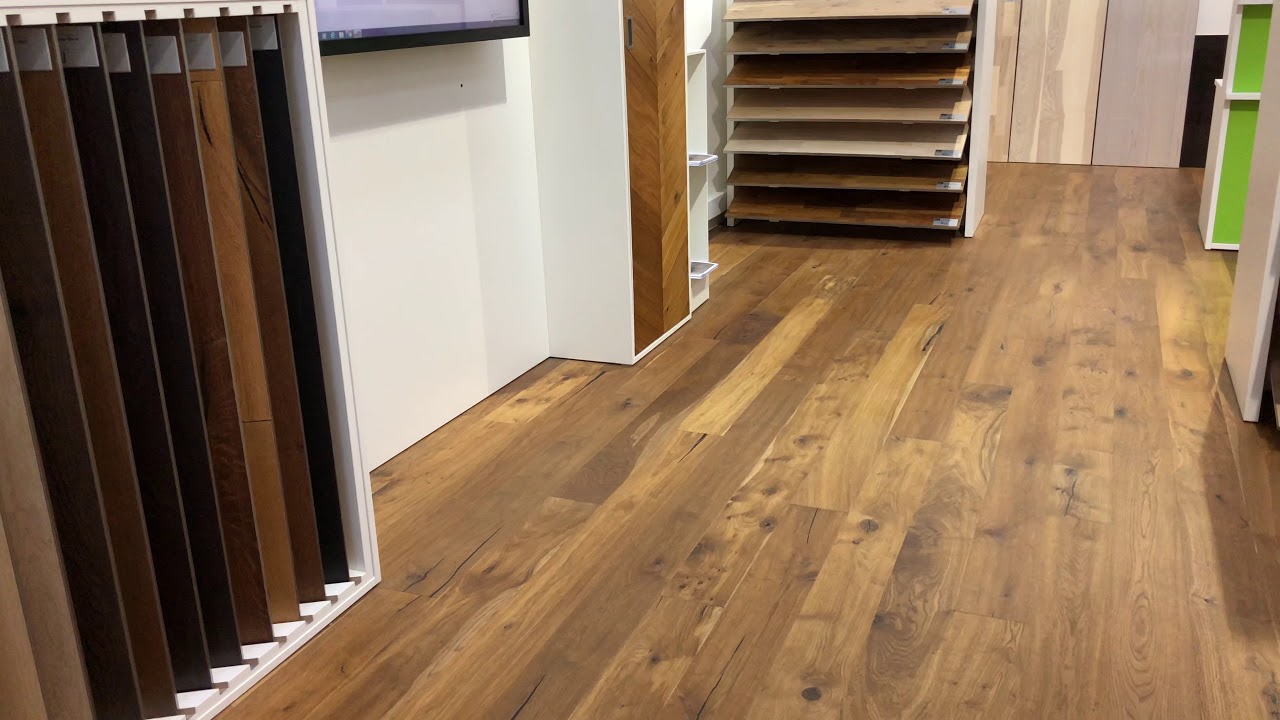
Wood flooring has always been associated with elegance, warmth, and long-lasting value. However, modern construction and lifestyle demands have pushed homeowners and designers toward more practical alternatives. One of the most preferred solutions today is engineered wood flooring, a versatile option that blends natural beauty with advanced durability.
What Is Engineered Wood Flooring?
Engineered wood flooring is a multi-layered flooring product designed to provide the appearance of solid hardwood while offering improved stability. It is constructed with a real hardwood veneer on top and multiple layers of plywood or high-density fiberboard underneath.
This layered structure makes it more resistant to moisture, temperature changes, and warping compared to traditional solid wood floors. As a result, it is suitable for a wider range of environments, including apartments, offices, and homes in varying climates.
Key Benefits of Engineered Wood Flooring
1. Enhanced Stability and Strength
One of the main advantages of engineered wood flooring is its dimensional stability. The cross-layered construction reduces expansion and contraction caused by humidity changes. This makes it a reliable choice for areas where solid wood might not perform well.
2. Natural Aesthetic Appeal
Despite being manufactured, engineered wood maintains the authentic appearance of real hardwood. The top layer is made from genuine wood such as oak, walnut, or maple, ensuring that every plank looks rich and natural.
3. Cost-Effective Alternative
Compared to solid hardwood, engineered wood is generally more affordable. It offers a similar luxurious look without the high price tag, making it ideal for budget-conscious homeowners who do not want to compromise on style.
4. Easy Installation Options
Engineered wood flooring often comes with click-lock or tongue-and-groove systems, allowing for faster and simpler installation. Some types can even be installed as floating floors, reducing labor costs and installation time.
Where Can Engineered Wood Flooring Be Used?
Residential Spaces
Living rooms, bedrooms, and dining areas benefit greatly from the warmth and elegance of engineered wood. It creates a cozy atmosphere while maintaining durability for everyday use.
Commercial Areas
Offices, retail stores, and showrooms often choose engineered wood flooring due to its professional appearance and ability to withstand moderate foot traffic.
Moisture-Prone Areas (With Caution)
While not fully waterproof, certain high-quality variants of engineered wood flooring can be installed in kitchens or basements if properly sealed and maintained.
Maintenance Tips for Long-Lasting Performance
To ensure the longevity of your flooring, regular care is essential. Sweep or vacuum frequently to remove dust and debris that can cause surface scratches. Use a damp (not wet) mop with a wood-safe cleaner for deeper cleaning.
Avoid excessive water exposure and place protective pads under furniture legs to prevent dents or scratches. With proper maintenance, engineered wood can retain its beauty for many years.
Why Homeowners Prefer Engineered Wood Flooring Today
Modern homeowners value both aesthetics and practicality. That is why engineered wood flooring has become a preferred choice in interior design projects. It offers the charm of natural wood while solving many of the limitations associated with solid hardwood, such as warping and high maintenance requirements.
Its adaptability, visual appeal, and cost efficiency make it a smart investment for both new constructions and renovation projects.
Conclusion
In today’s evolving interior design landscape, flooring is no longer just a functional element—it is a key part of style and comfort. Engineered wood flooring successfully bridges the gap between beauty and performance, making it one of the most reliable flooring solutions available.
Whether for residential or commercial use, its durability, elegance, and affordability continue to make it a top choice for modern spaces.
